
If you’re looking to improve your smile, two of the most common cosmetic dental procedures you’ll hear about are porcelain veneers and dental bonding. Both could dramatically enhance the appearance of your teeth, but they’re not created equal. Depending on your dental goals, budget, and the condition of your teeth, one option may suit you better than the other.
What Are Porcelain Veneers?
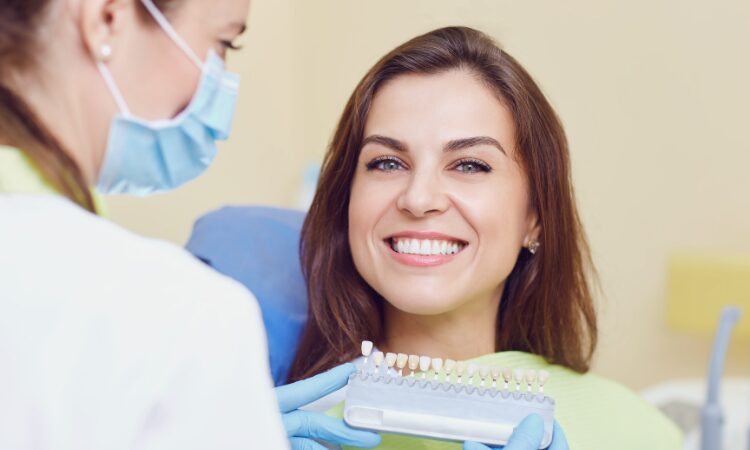
Porcelain veneers are thin, custom-made shells designed to cover the front surface of your teeth. They are typically made from high-quality ceramic materials that closely mimic the translucency and shine of natural teeth. The process of getting veneers usually requires two to three dental visits. During the first visit, Dr. Gittleman will assess your smile and make a diagnostic wax-up of your new smile. Next, he will remove a small amount of enamel from your teeth to ensure a proper fit and natural look. Porcelain veneers take a few weeks to fabricate, so Dr. Gittleman often creates temporary veneers to help protect your teeth and improve your smile while you wait.
Veneers are bonded to the front of your teeth once they’re ready, creating a permanent and polished transformation. They are often chosen for their durability, resistance to staining, and lifelike appearance. Many people opt for porcelain veneers to correct issues such as discoloration, chipped or misshapen teeth, uneven spacing, or even minor misalignments.
Interested in seeing what porcelain veneers could do for your smile? View the before and after photos in our smile gallery for some examples of past cases.
What Is Dental Bonding?
Dental bonding is a more conservative cosmetic treatment that involves applying a tooth-colored composite resin directly to your teeth. Unlike veneers, bonding typically requires just one visit, making it a quicker and more affordable solution. Dr. Gittleman shapes and polishes the resin to match your surrounding teeth, and it is then hardened with a special light to bond securely to the enamel.
Bonding is commonly used to repair chips, close small gaps, or cover minor discoloration. While the results can be impressive, bonding doesn’t have the same level of strength or longevity as porcelain veneers. The composite material is more porous than porcelain, meaning it can stain more easily over time and may require touch-ups or replacement sooner.
Durability and Longevity
One of the most significant differences between porcelain veneers and dental bonding is durability. Veneers are known for their long lifespan, often lasting 10 to 15 years or more with proper care. They are resistant to stains and wear, making them a great long-term investment for people looking for a lasting transformation.
Dental bonding, on the other hand, typically lasts between 3 to 7 years. Because the resin material is not as strong as porcelain, it is more prone to chipping or discoloration. This is especially likely if you frequently consume staining foods or drinks like coffee or red wine.
Aesthetic Results
While both procedures could significantly improve your smile, porcelain veneers generally offer more refined and natural-looking results. Because they are custom-crafted in a lab, veneers allow for greater precision in color, shape, and translucency. Bonding, while effective, is usually sculpted directly in the mouth, which may result in slightly less uniformity compared to veneers. For patients seeking a dramatic smile makeover, veneers often provide a more striking and lasting result. Bonding is more ideal for minor repairs or aesthetic tweaks.
Cost and Commitment
Cost is another important consideration. Porcelain veneers are the more expensive option due to the lab work, materials, and multiple visits involved. Dental bonding is more budget-friendly and requires less of a commitment in terms of enamel removal and overall procedure time. However, because veneers involve removing a small portion of the enamel, they are irreversible. Bonding is minimally invasive and reversible in many cases, making it a good option for patients not ready to commit to a permanent solution.
Choosing the Right Option
Ultimately, the choice between porcelain veneers and dental bonding comes down to your individual needs, aesthetic goals, and budget. If you’re looking for a long-lasting, dramatic transformation and are willing to invest more upfront, veneers might be your best bet. If you need a quick fix for a minor cosmetic concern and prefer a more affordable and less invasive option, bonding could be the ideal solution.
Cosmetic Dentistry in Morristown, NJ
At Morristown Cosmetic Dentistry, we are dedicated to helping our patients achieve the smiles of their dreams. We offer a range of cosmetic dentistry services, including porcelain veneers and dental bonding, to address a variety of dental concerns. Contact our office today to schedule a consultation and see which treatment could be right for you.