
Do you wake up with a sore jaw? Do you have headaches that start in your temples? Does your partner complain about strange noises at night?
You might be grinding your teeth. Dentists call this bruxism. Many people do it without knowing, especially while they sleep.
Dr. Victor Gittleman at Morristown Cosmetic Dentistry sees patients who grind their teeth every day. He knows exactly how grinding damages your teeth and what to do about it.
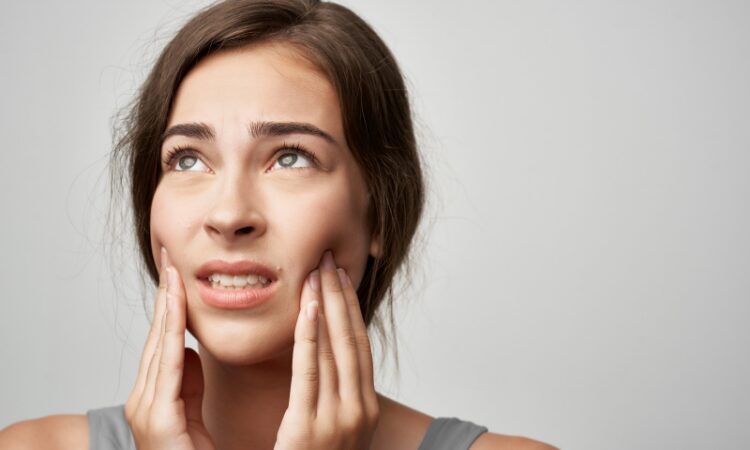
5 Top Problems Caused by Teeth Grinding
Dr. Gittleman can provide treatment whether you think you grind your teeth every once in a while or every night.
Wearing Down Your Smile
rinding puts constant pressure on your teeth. Over time, that friction wears away your enamel. Once enamel is gone, it does not grow back.
Worn enamel means:
- Teeth become more sensitive to hot and cold
- Cavities form more easily
- Teeth can chip, crack, or even fracture
When grinding gets bad, you may need crowns, veneers, or even root canal treatment in Morristown. Dr. Gittleman can help restore your smile with advanced restorative dentistry.
Jaw Pain and Dysfunction
Your jaw works hard every time you chew, talk, or yawn. When you grind your teeth, you add even more stress to your jaw muscles and joints.
The temporomandibular joint, or TMJ, connects your jawbone to your skull. Persistent grinding can inflame this joint. That leads to a condition called TMJ disorder.
Common TMJ symptoms include:
- Jaw stiffness
- Trouble chewing
- Jaw locking when you open wide
- Pain that spreads to your ears, head, or neck
Dr. Gittleman offers treatments to relax your jaw muscles and reduce pain. He even offers therapeutic Botox for patients with severe TMJ symptoms.
Headaches and Facial Pain
Many people with untreated bruxism experience chronic headaches, particularly in the temples. These headaches are often mistaken for tension headaches or migraines, but the underlying cause is the overuse of facial and jaw muscles during grinding. Constant tension in these muscles can also result in soreness, fatigue, and tightness in the face, further diminishing quality of life.
Interrupted Sleep and Fatigue
Sleep bruxism can significantly impact sleep quality, not just for the person grinding their teeth but also for anyone sharing a bed or bedroom. The noise from grinding can disturb others, while the physical strain on the body can lead to disrupted sleep cycles. Even if the person grinding their teeth doesn’t fully wake up, the stress on the jaw and surrounding muscles can prevent deep, restorative sleep. Over time, this can lead to chronic fatigue, irritability, and difficulty concentrating during the day.
Damage to Dental Work and Gums
For those who have invested in dental work such as crowns, fillings, or implants, untreated bruxism poses an additional risk. Grinding can loosen or damage this work, leading to the need for costly repairs or replacements. The condition can also irritate the gums and surrounding tissues, potentially contributing to gum recession or increasing the risk of gum disease.
Custom Mouthguards for Relief
If you suffer from bruxism, a custom mouthguard could be a simple yet highly effective solution. Unlike over-the-counter options, a custom mouthguard is professionally made to fit your unique bite, offering optimal comfort and protection. By creating a physical barrier between your upper and lower teeth, it helps prevent the wear, fractures, and jaw pain associated with bruxism.
Many users also report better sleep quality and reduced headaches. Investing in a custom-fitted guard not only protects your teeth but can also support long-term oral health and overall well-being.
Get Treatment for Teeth Grinding in Morristown, NJ
At Morristown Cosmetic Dentistry, we are dedicated to helping you preserve your oral health. If you suffer from chronic jaw pain or discomfort, teeth grinding could be the culprit. Contact our office today to schedule a consultation and learn more about your treatment options.